The full picture: our portfolio, our operating model, our capital philosophy, and a representative case study. Aethos Homes operates on a long-term hold strategy. Investor capital is placed on 12-month project loans — short in term, part of a long-term operating business.
Each investment is structured as a standalone 12-month loan agreement, deployed into a specific acquisition or refurbishment project. Your capital sits alongside ours in the same asset, on identical terms. At term end, it is repaid in full from the refinancing proceeds — plus the agreed return.
Terms shown are representative of current deals. Each agreement is individually documented and confirmed in writing before funds are drawn. Investors who wish to maintain ongoing exposure typically roll proceeds into the next available deal.
Joe and Katy Davies began in property in 2016, managing a single Airbnb for a family friend while at university. What followed was seven years building Host So Simple — a full-service short-term rental agency that grew to over 100 properties and 50+ staff across operations, maintenance and guest support. In 2023, they exited via acquisition.
Aethos Homes is the next chapter: acquiring and holding residential assets for the long term, funded in part by private investor capital placed on identical terms to their own.
Aethos Homes is a private operating house. We acquire residential property with our own balance sheet capital and, where appropriate, alongside a small number of aligned private investors.
Our model is built on three disciplines: buy quality, operate with systems, compound over decades. We do not trade property in cycles. We do not pursue yields that cannot be sustained. We do not acquire assets we would not be comfortable owning through a material downturn.
Investor capital is treated with the same care as our own, because in every structure it sits alongside our own. That alignment is how every deal is built.
We acquire cash-flowing residential assets in postcodes with durable rental demand. Every acquisition is underwritten for a ten-year hold. Appreciation is a by-product of ownership. Rental income is the primary return driver. Equity growth is the secondary return driver. Speculation plays no role in the model.
Portfolio leverage is capped at 75% loan-to-value. Every acquisition is stress-tested against a materially higher interest rate and a 10% drop in rental income before approval. Cash reserves are held at entity level against void periods, refurbishment overruns, and refinancing cycles. Reserves are not released to chase additional acquisitions.
Target acquisitions are single-let residential properties, small HMOs, and small residential conversions in Liverpool. Typical ticket size is between £150k and £1.5m. Target gross yield 7–9%. Target stabilised net operating margin above 60%. Commercial, development land, and overseas assets are outside the mandate.
At the five-year point in each asset's hold period, we refinance against the stabilised value. Released equity is redeployed into the next acquisition. The original asset continues to generate rental income on updated terms. Repeated across a portfolio, this cycle compounds ownership without requiring new capital injection.
A legally binding loan agreement is executed before any funds are drawn. Each agreement is bespoke, reviewed by a solicitor, and specifies the full term, fixed return, repayment mechanics, and default provisions.
Repayment of capital and the agreed return is personally guaranteed by both directors. For positions above £50,000, a restriction on title or first legal charge over the asset is available on request.
Capital is drawn into a designated SPV limited company, ring-fenced to the specific project. Funds cannot be redeployed or used for other purposes without the investor's written consent.
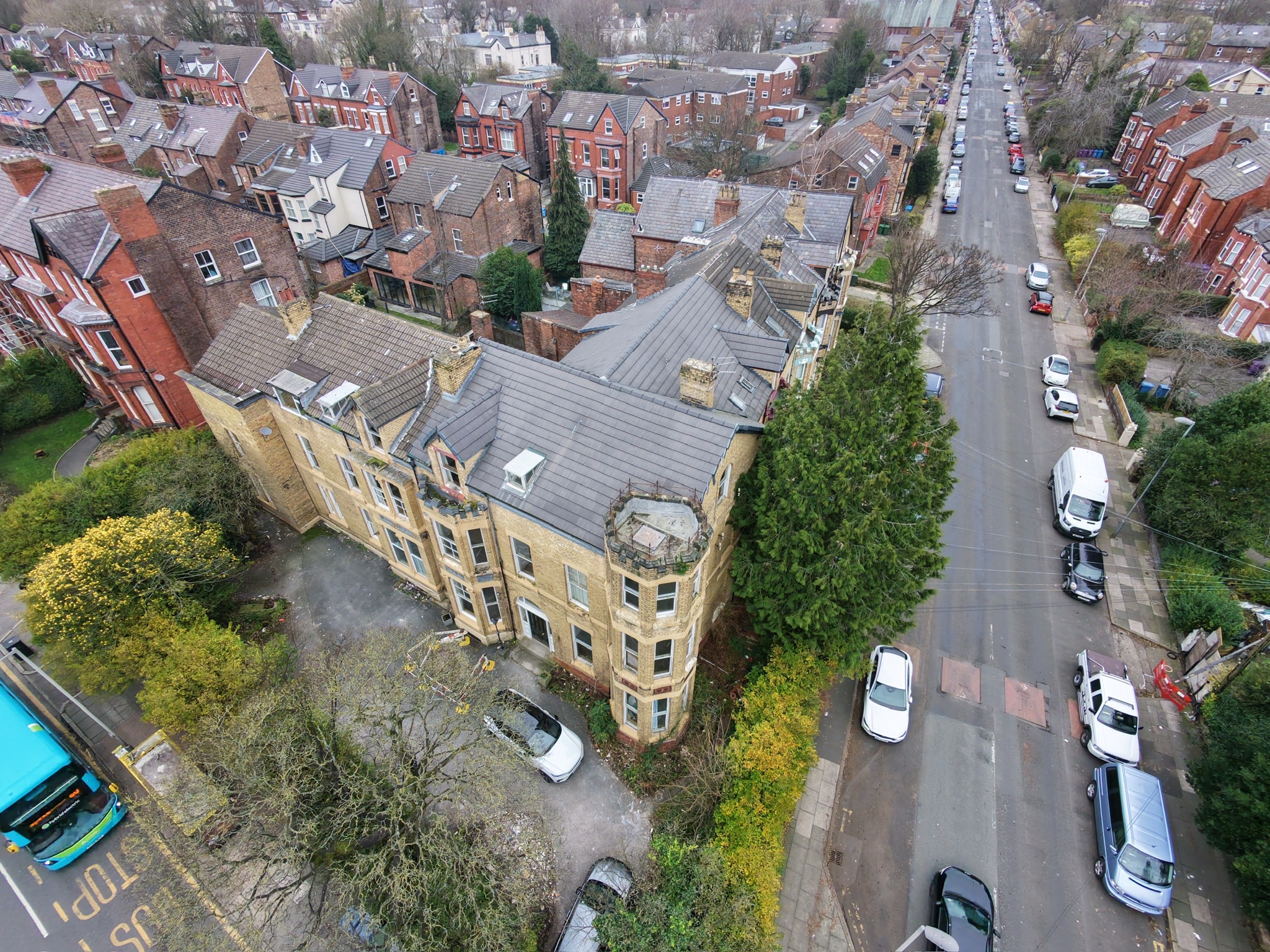
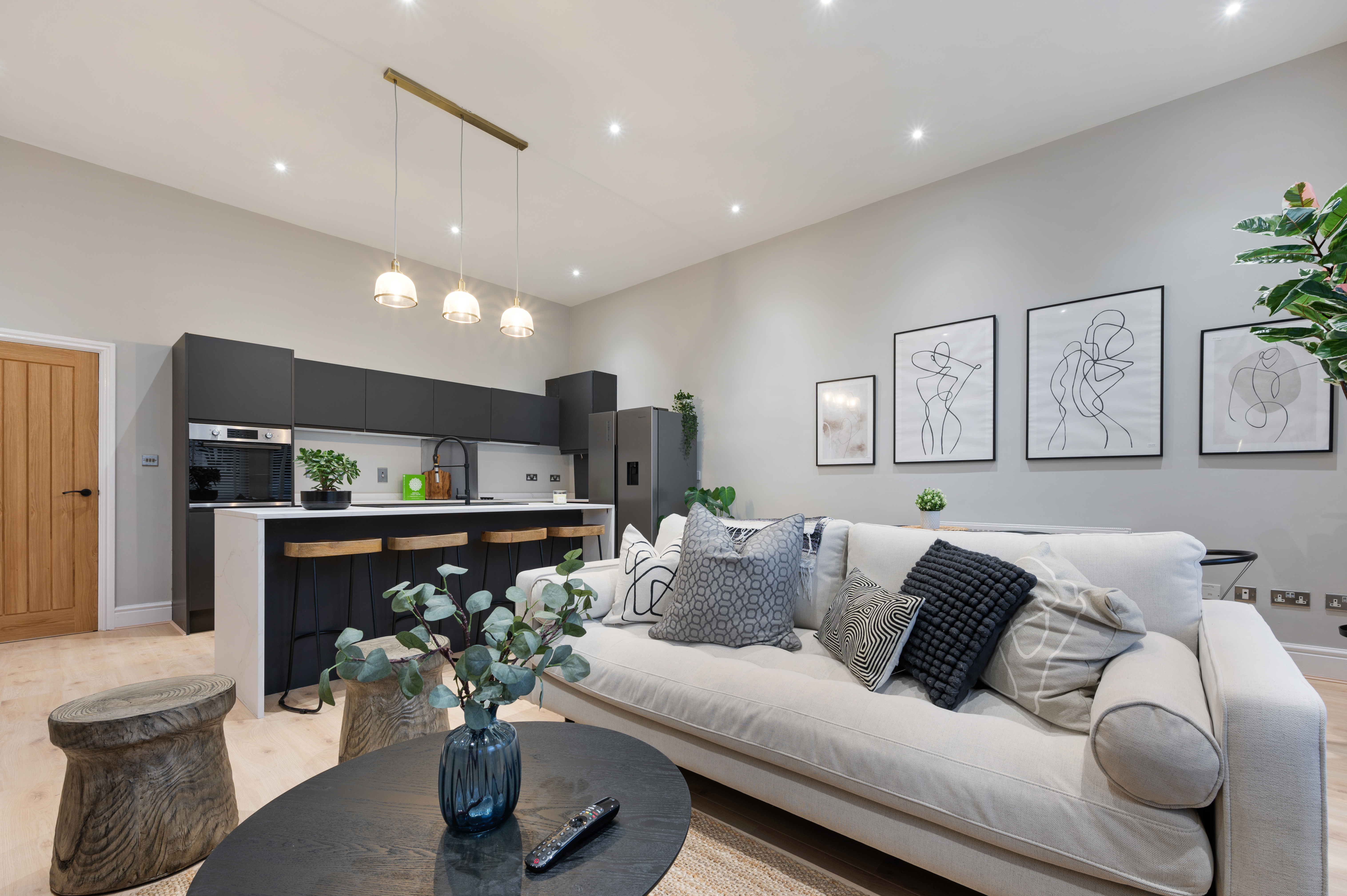
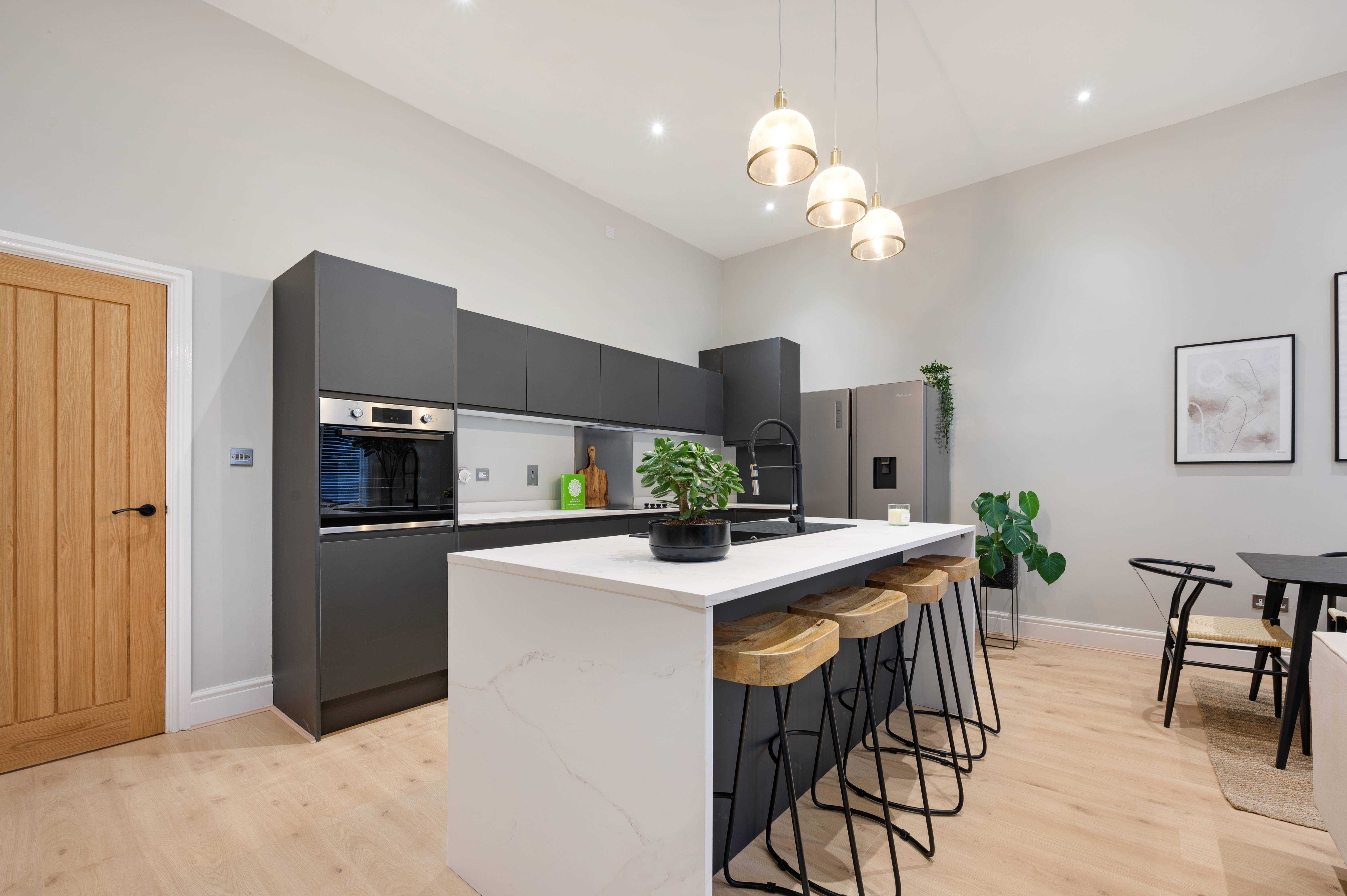
A seven-unit residential conversion of a Victorian Liverpool townhouse. Acquired for refurbishment and long-term hold, funded through a senior lender bridging facility, assessed as self-funding through completion. The project demonstrates the full Aethos Homes acquisition, improvement, and stabilisation cycle in a single asset.
No. This is a private loan agreement between two parties — not a pooled investment scheme. Each loan is individually documented. We work exclusively with sophisticated or high-net-worth investors who understand the nature of private lending. We recommend seeking independent legal and financial advice before committing.
Our deals are underwritten on cash-flow, not capital appreciation. Rents in our core Liverpool postcodes have remained resilient through past downturns. Every acquisition is stress-tested at a materially higher interest rate and a 10% rental income reduction before approval. We hold reserves at entity level specifically for this scenario.
The standard term is 12 months. Early return is only possible if mutually agreed, or if the project refinances ahead of schedule. Repayment is funded from the long-term mortgage that replaces the project finance at completion — not from a sale. We have never missed a repayment.
Always. We never ask investors to take a position we haven't taken ourselves. Our own capital sits in the same assets, on identical terms. This isn't a policy — it's how every deal is structured.
At term end, your capital plus the agreed return is repaid in full. You can take it back or roll into the next available deal. Most investors choose to roll. There is no obligation either way, and no lock-up beyond the original 12-month term.
Before anything is signed, you receive: a full project overview, the indicative loan terms, the SPV company details, and the draft loan agreement for your solicitor to review. Joe walks through the deal personally. There is no pressure and no deadline.
Enquiries are handled directly by Joe Davies. There is no form, no funnel, and no intermediary.
After you reach out: a brief intro call, the current deal overview by email, the draft loan agreement for your solicitor, then a second call to answer any questions. From first email to signed agreement typically takes one to two weeks.